The Indie Music Desk Starts Where Spotify Stops
A weekly listening habit needs more than an endless feed. Spotify’s web player, downloads and device sprawl reveal the useful—and limiting—shape of digital discovery.
There is no major indie headline hiding in Spotify’s homepage this week. That is the point. The platform remains less an editorial destination than a piece of listening infrastructure: open a browser, press play, move between devices, and let the catalog become background or evidence. For an indie music desk, that blankness is useful. It forces the question most recommendation systems avoid: what are we actually listening for? A new voice, a strange arrangement, a local scene, or simply the next track that interrupts a predictable afternoon?
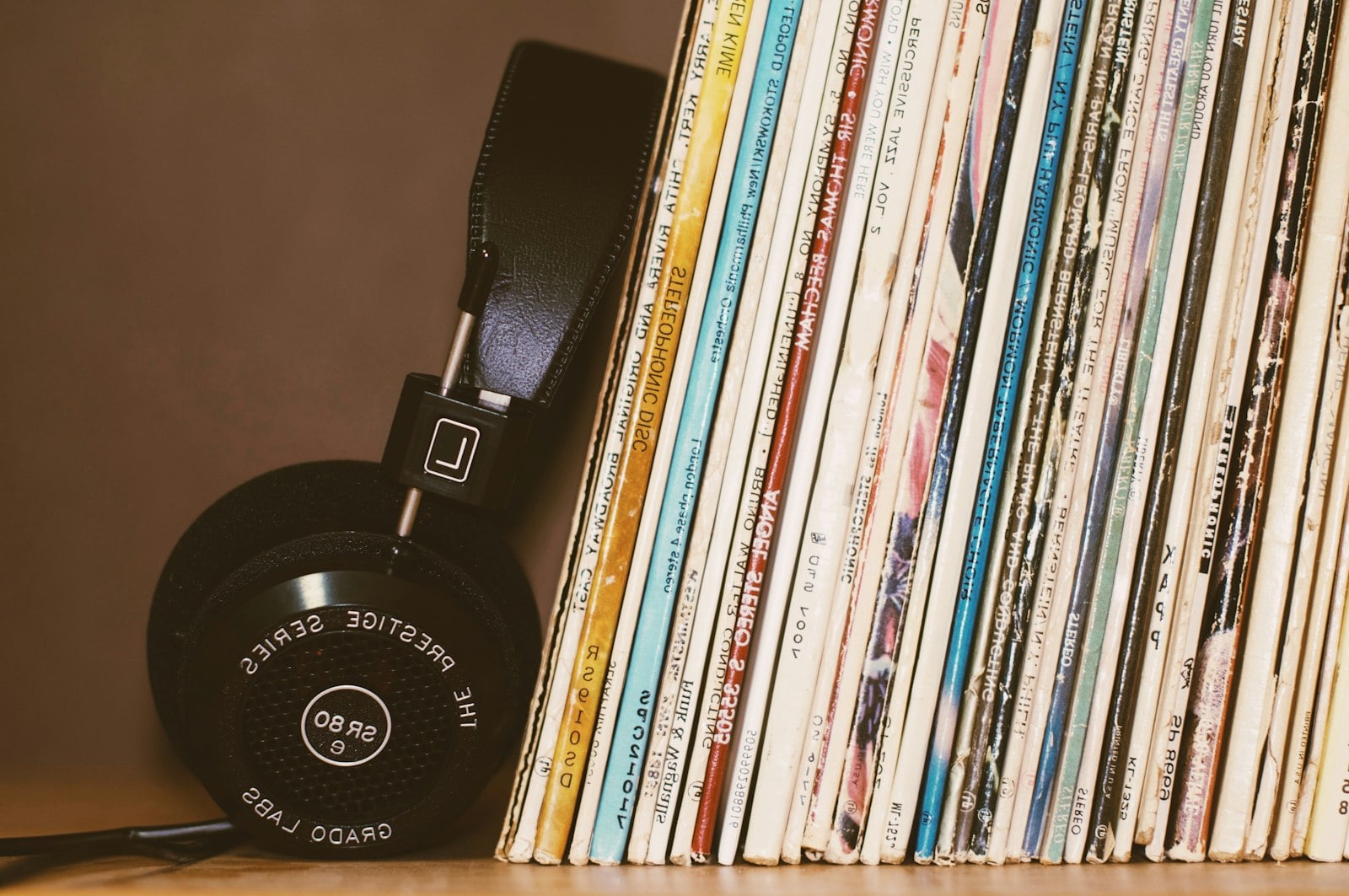
Spotify’s web player is built for immediacy, but immediacy is not the same as discovery. The browser window gets music moving without asking for a download, a setup ritual or a dedicated device. That convenience can flatten attention: songs become tabs among tabs, available everywhere and fully present nowhere. The best weekly listening practice works against that drift. Give one record a full pass. Write down the song that changes shape on repeat two. Notice the track you almost skip, then ask why.
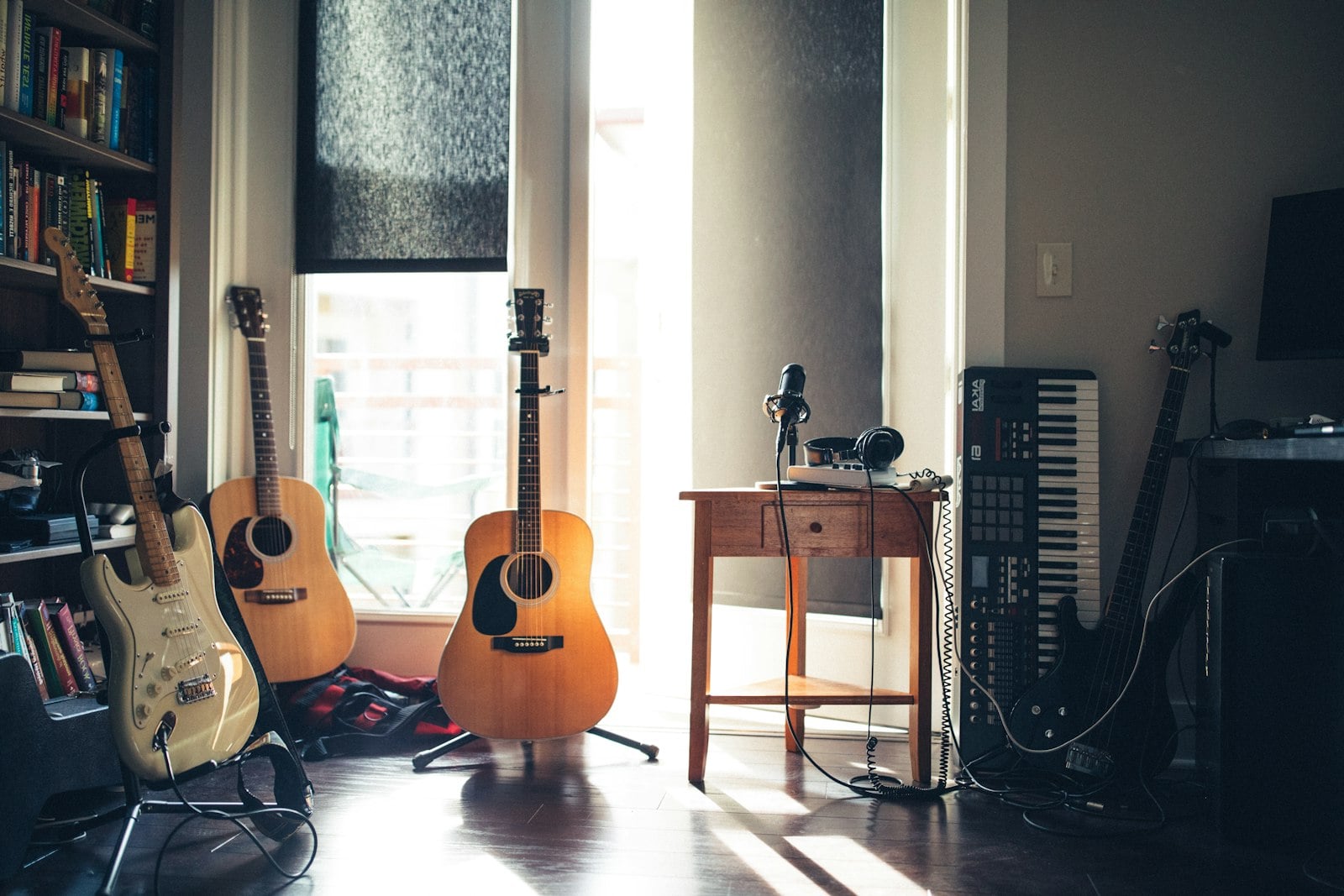
The company’s device language is expansive—mobile, tablet, computer, car, console, television and speaker—yet the indie listener’s problem is usually narrower. Where does a song sound like itself? A laptop can expose the grain of a rough mix; a car can reveal whether a chorus actually travels; cheap earbuds can make a brittle high end impossible to ignore. Moving between formats is not just convenience. It is a low-tech review system, one that tests whether a compelling idea survives outside the environment where it first caught you.
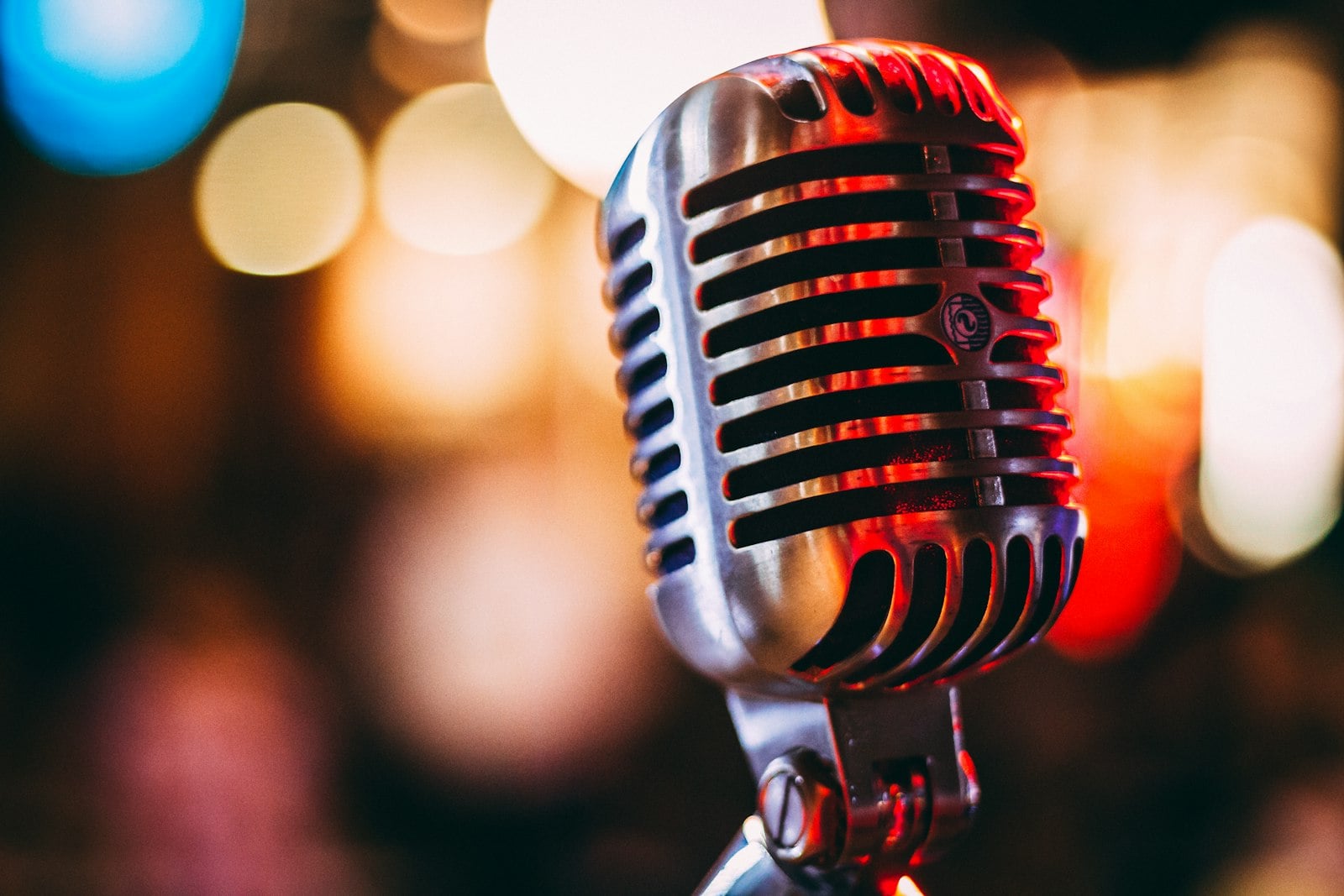
The same applies to podcasts, which Spotify places beside music rather than in a separate cultural universe. For a weekly desk, that proximity is a reminder that context can either sharpen a song or smother it. An interview may send you toward an artist; a playlist may point you toward a scene; neither should replace the work of listening. The useful trail is the one that ends with a record, a video, or a live date—not an infinite chain of recommendations that leaves the original curiosity untouched.
Spotify’s Windows download makes the platform feel less like a website than a utility: something installed, carried and folded into daily routines. That is its strength, and its blind spot. Indie music still needs friction—someone naming the overlooked release, describing the room where it was made, or explaining why a scrappy video matters. This week, use the service as a door rather than a destination. Start with one unfamiliar artist, listen without multitasking, and leave with a sharper reason to tell someone else to press play.
Reader notes
No notes yet. Be the first on this piece.