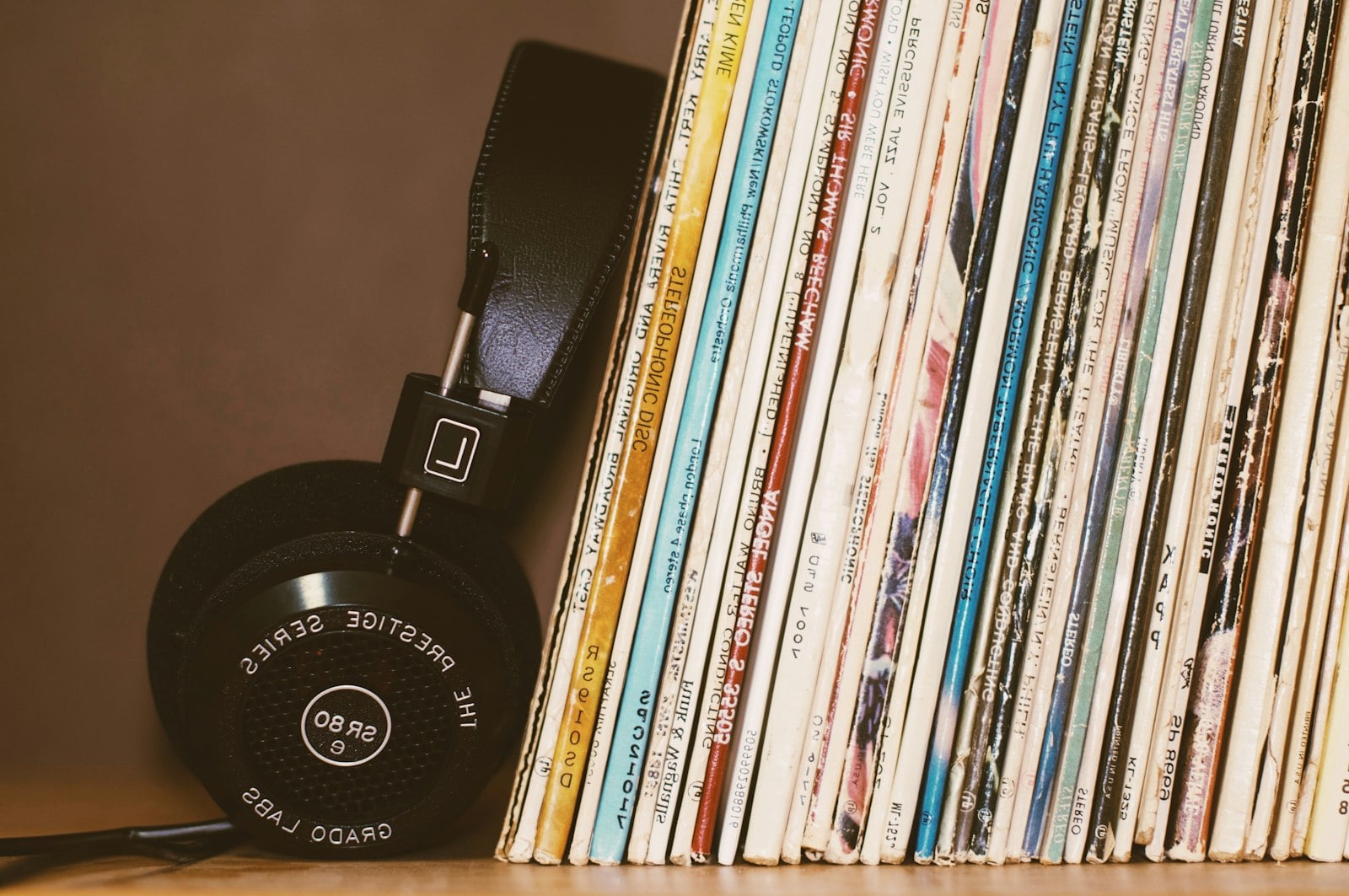
Spotify Web Player: The Quiet Case for a Browser-Based Indie Listening Desk
Spotify’s browser player is not glamorous, but its low-friction setup still makes it useful for digging through indie releases without another app taking over the room.

The Spotify Web Player is an unflashy piece of music infrastructure, which is exactly why it remains worth noticing. Open the browser, sign in, and the listening starts without a download queue or a new desktop window. Spotify describes the service as a place for millions of tracks and podcasts, but the more interesting angle for indie listeners is its neutrality: the player does not demand a dedicated setup before you can begin digging. It is a blank-ish desk for music, with the browser acting as the only hardware requirement.
That convenience matters when discovery is less about chasing a single headline and more about following a trail. An artist link, a playlist, or a recommendation can become an afternoon of adjacent sounds without forcing a hard stop to install something first. The web player is especially suited to that kind of loose, browser-tab listening. It is not a critic, a label, or a scene guide. It simply lowers the barrier between curiosity and playback, leaving the work of deciding what deserves another listen to the listener.
Spotify’s own download page makes the broader pitch clear: the same account can travel across mobile, desktop, tablet, car, consoles, televisions, speakers, and the web player. That cross-device spread is ordinary now, but it changes how independent music can sit inside a day. A record can begin at a desk, follow a commute, and return through a speaker later. The platform’s Windows download page presents this as convenience; for small releases, it also means fewer practical obstacles between a listener and a full play.

There is a useful tension here. A browser player is excellent for access, but access is not the same thing as context. Spotify’s supplied pages explain how to listen, not why an obscure record matters, who made it, or which local lineage it belongs to. That missing layer is where independent music writing still earns its keep. A player can deliver the audio, while a review, interview, or scene report supplies the coordinates. The best indie listening habits use both: frictionless playback followed by a more deliberate attempt to understand what is playing.
So the weekly verdict is modest rather than breathless. Spotify Web Player is not a new discovery engine, and the available information offers no artist announcement or release bulletin to inflate into one. It is a dependable doorway: broad catalogue, browser access, and a route across the devices already in a listener’s life. For indie music, that may be enough to make it useful. The real editorial question begins after the click—whether the track survives the shuffle, earns a return visit, and leads somewhere more specific.
Reader notes
No notes yet. Be the first on this piece.